Svenja is completing a one-year volunteer service with the European Solidarity Corps in Poland; here are her impressions from the first months.
Foreign country.
Foreign city.
Foreign apartment.
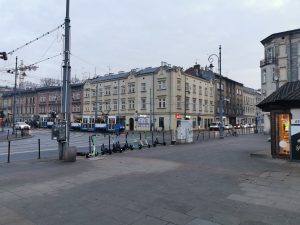
Four strangers in a tiny hallway on the fourth floor of a prefabricated apartment block in Kraków.
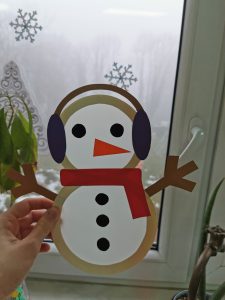
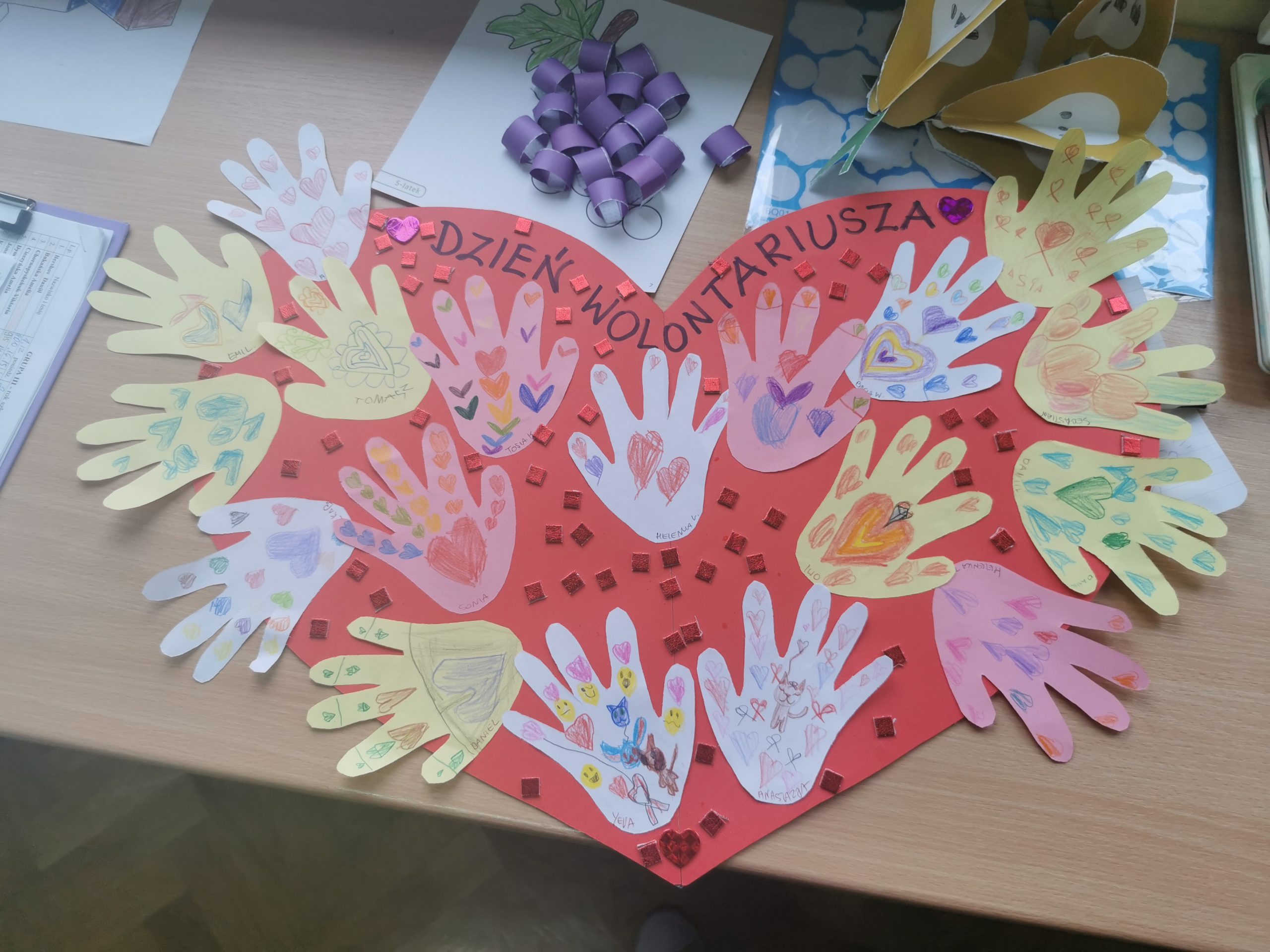
That’s more or less how the first hours of my volunteer service with the European Solidarity Corps (ESC) here in Poland went. A woman from my organization, IB Polska, hands us the keys, explains everything, and then leaves us alone in the apartment. Not exactly the gentlest start to this experience. But over the next few days, we get to know her and the other volunteers, explore the city together, make our first connections, and are gradually introduced to our workplaces. For me, this beginning eventually led to my placement: a kindergarten in Podgórze.
However, my work here is not limited to a 30-hour week in the kindergarten, where I accompany the children on excursions and regularly plan my own lessons. Alongside Polish classes on site and regular workshops with other volunteers, there are many other opportunities to meet new people and get involved. At the city’s multicultural center, dance, yoga, and language classes take place regularly. We can also plan our own workshops or cook together for people in need.
Spending several months in a new country with a foreign language and unfamiliar traditions can seem intimidating at first—and it was. In the months before my departure, I heard the question “Why Poland of all places?” more than a few times, and I often asked it myself without knowing the answer. Why spend your time in a neighboring country just a few hundred kilometers from Dresden when the whole of Europe is open to you?
Despite its proximity, Poland is a fascinating country that is in no way inferior to other ESC placements. Winters here are cold and dark, but the people are warm and welcoming, even if they may seem a bit reserved at first. Several times, we were invited for coffee or even to someone’s home by our supervisors, or received restaurant recommendations from our landlord while the washing machine was being repaired.
In addition, my work in the kindergarten allows me to experience and celebrate many traditions and holidays firsthand. For example, Andrzejki is celebrated here every year on November 29. The idea is to tell each other’s fortunes—especially to give young women insight into their love lives, but also into their future jobs or health. In the kindergarten, the teachers dressed up as witches, danced and sang with the children—who were also in costume—and predicted their futures.